Asianart.com | Associations | Articles | Exhibitions | Galleries |
Visitors' Forum |
| Message Listing by Date: |
|
|
Message Index |
Back |
Post a New Message
| Search | Private Mail
| FAQ
|
|
|
Subject:Temmoku bowl
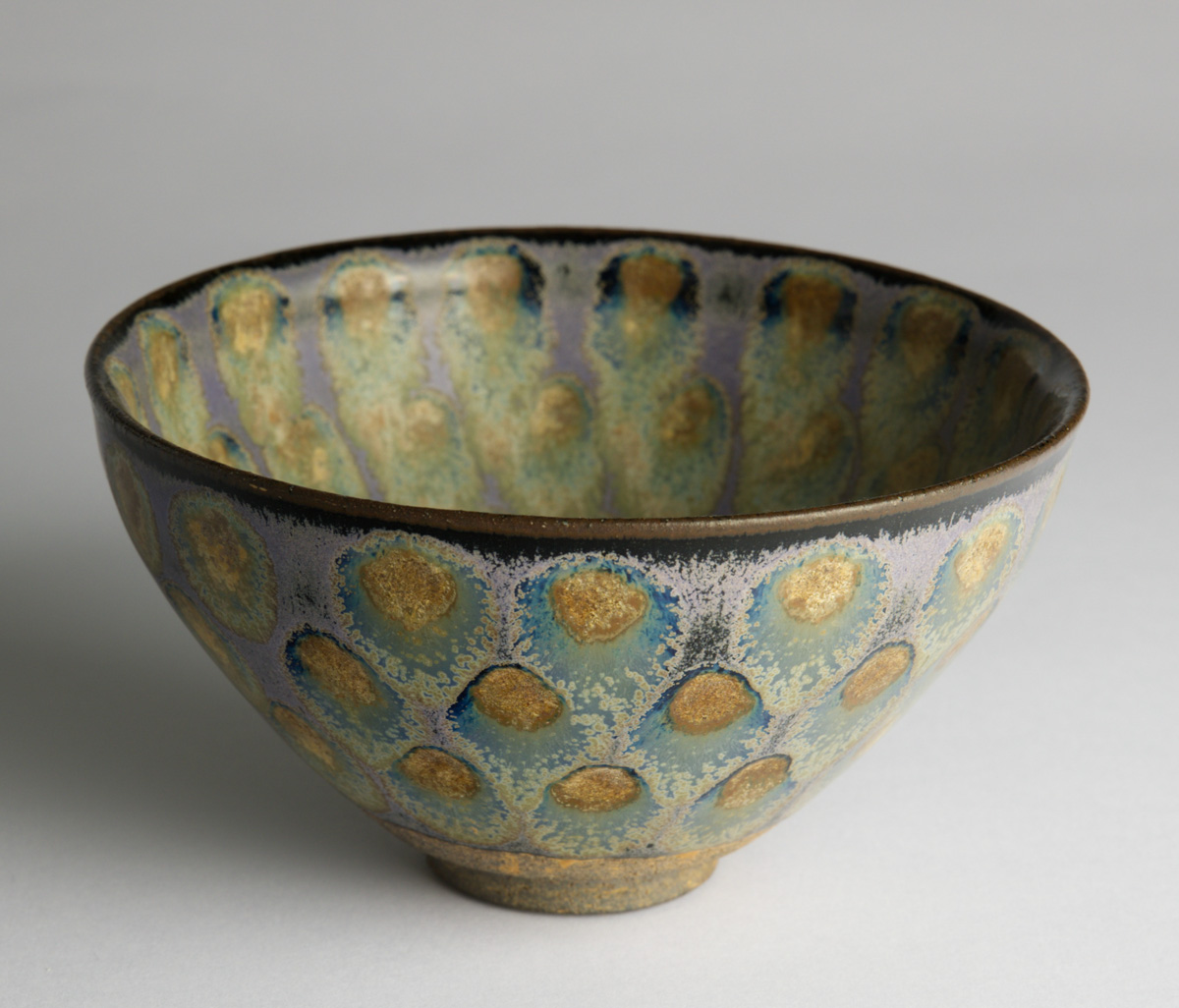
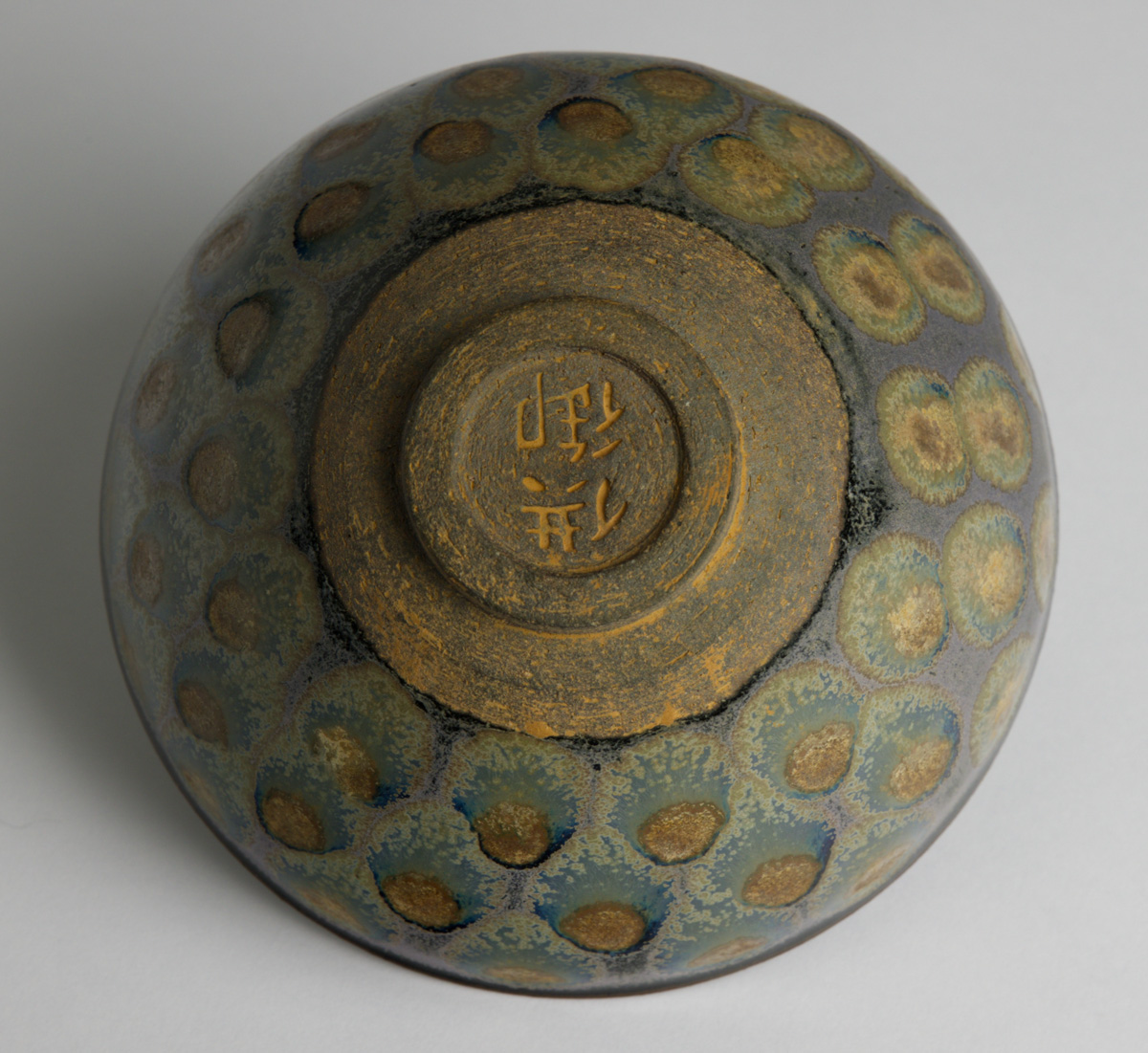
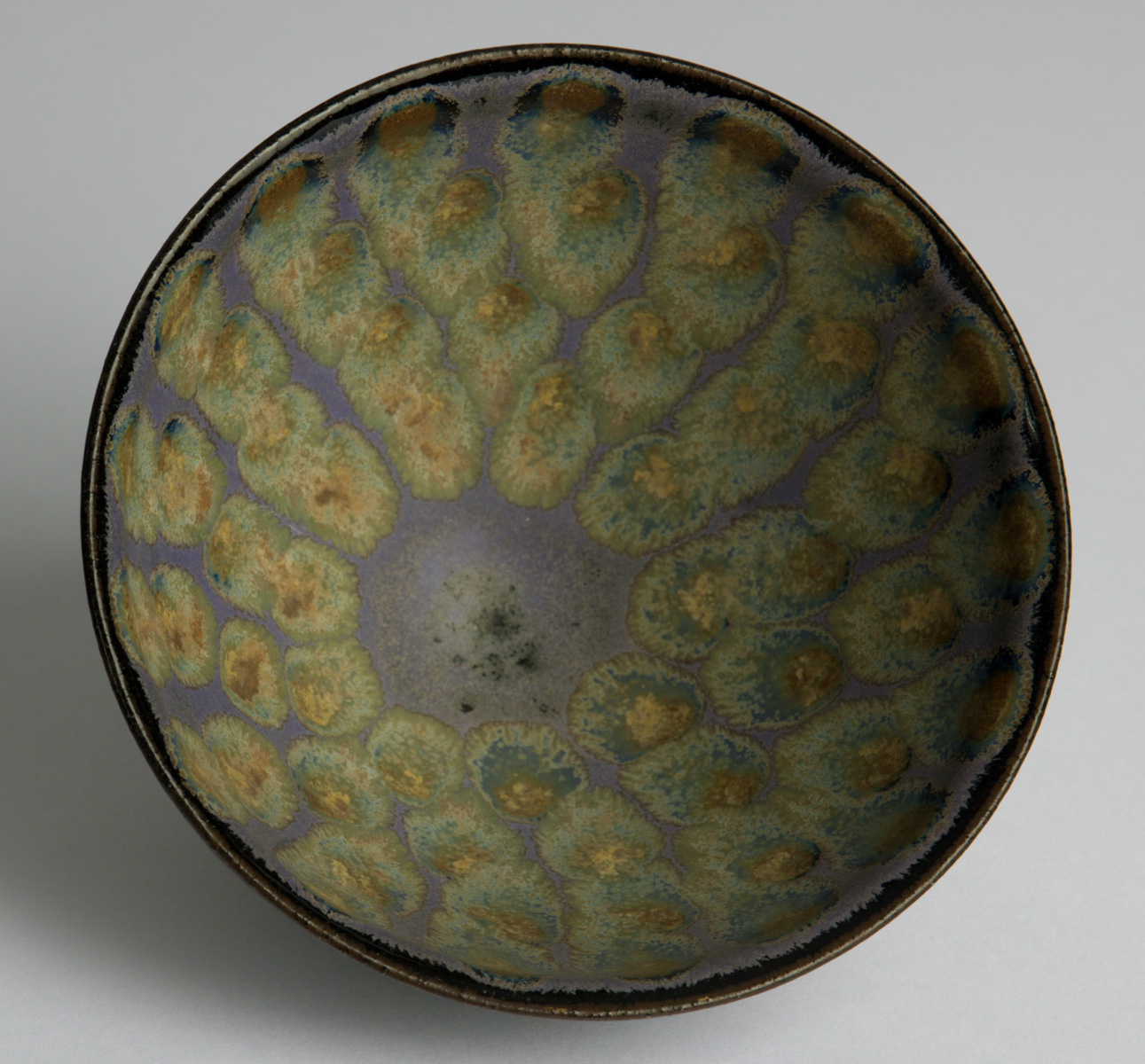
Posted By: Gene Fri, Jun 12, 2026 IP: 50.46.162.238 I am hoping for help identifying this bowl. Based on other posts, it seems the base is showing flecks or spots of yellowish orange, which could point to a reproduction. But I defer to others. |
|
|
Subject:Re: Temmoku bowl
Posted By: rat Sat, Jun 13, 2026 Seems quite recent to me. Am not sure that it is attempting to reproduce an existing piece somewhere but to apply more striking colors and patterns to a traditional form, then claim on the base that it's for imperial use |
|
|
Subject:Re: Temmoku bowl
Posted By: I.Nagy Sun, Jun 14, 2026 In the antique market, when you come across a Tenmoku tea bowl bearing the “供御” mark, the reality is that almost all of them are either |
|
|
Subject:Re: Temmoku bowl
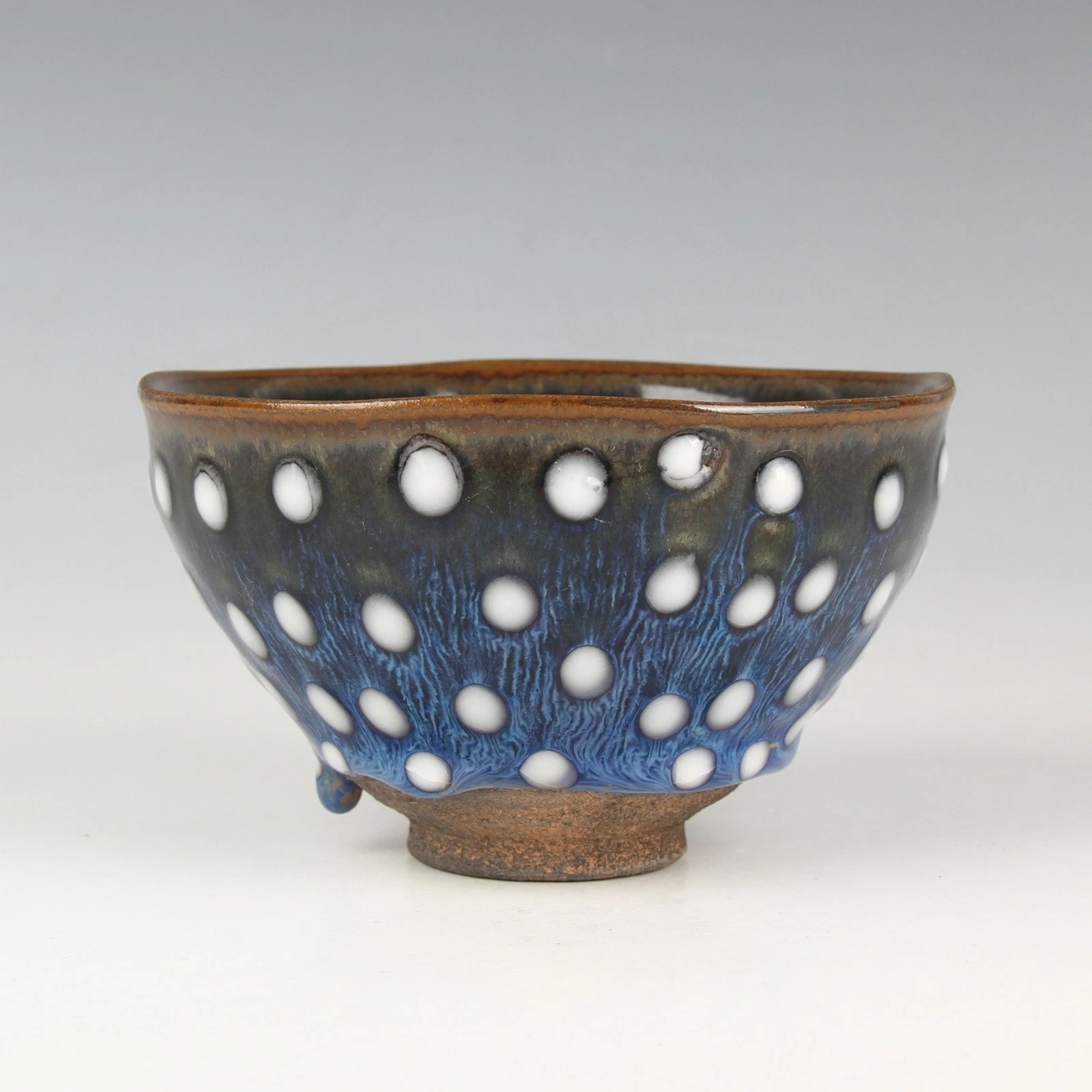
Posted By: Gene Tue, Jun 16, 2026 Thank you--appreciate the education! I'm trying to understand the difference between these two pieces: the bowl in the original post does appear as you describe it, but is the glaze technique and inscription significantly superior in the attached photos? |
|
|
Subject:Re: Temmoku bowl
Posted By: rat Mon, Jul 20, 2026 Not superior, but different. Go back and look at examples of Song Jian ware and you will see that there's nothing with this sort of coloring out there from that time. The vast majority are brown/black, some with striations and small spots that look lighter, but nothing like these regularly placed white dots. (The oil spot bowls mostly in Japan are exceptional for their coloring, but there are fewer than a handful extant, and they still go well with the white foam of the whipped tea that they would have contained. To a Song person, despite the technical skills these two cups show, their color combination would seem garish. (Song folks wouldn't like the busy Qing imperial enamels that are so popular and expensive today either.) Different times, different tastes. |
|
|
Subject:Re: Temmoku bowl
Posted By: rat Wed, Jul 22, 2026 the idea for the protruding white dots may be coming from a group of jian bowls decorated in what's called patridge feature style, scroll down in the following and you'll see a surviving shard. (note also that the dotted effect seems intended to have been naturalistic, not regularly spaced as in the two examples you showed.) I am guessing there are better examples around, and possibly some metalware forebears of more regular dotted patterning, but this was the first relevant partridge feather example I found. |
Asianart.com | Associations | Articles | Exhibitions | Galleries | |